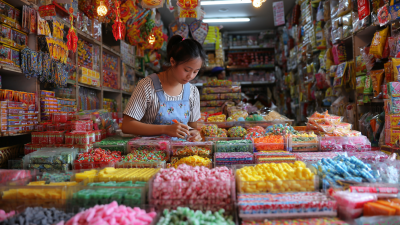
You know, Shantou Candy is pretty famous all around the world for its funky flavors and bright, eye-catching colors. I recently read from Dr. Li Wang, who’s actually a top expert in sweets at the Shantou Institute of Technology, that “the charm of Shantou Candy comes from its deep roots and fresh, modern twists.” That really shows how tradition and new ideas are blending together in this candy scene.
Families in Shantou have been making these candies for generations—using local ingredients and traditional recipes—they take pride in their craft. But, of course, as the industry gets bigger and more global, some folks worry about losing that authentic touch. It’s a tricky balance—keeping the tradition alive while trying to meet the demands of international markets.
Even with all these challenges, Shantou Candy still has a special place in people’s hearts. Each piece kind of tells a story—about family, culture, and history. But it raises an interesting question: can this beloved craft continue to evolve without losing what makes it special? As fans celebrate its rising fame worldwide, they’re also thinking about what the future holds for this sweet tradition.

Popularity Factors of Shantou Candy in Global Markets
Shantou candy has captured hearts worldwide, drawing fans for its distinct flavors and textures. Its vibrant colors are appealing. Each piece often features fruity notes, chewy consistency, and playful shapes. This candy isn’t just for kids; adults enjoy it too. It has a unique feature of blending nostalgia with novelty. Many associate it with childhood memories, sparking joy in every bite.
The global popularity of Shantou candy can be attributed to cultural exchanges. As people travel, they seek local foods. Shantou Food represents a rich heritage, and candy is a delightful part of that. Social media plays a role, showcasing eye-catching images that boost its appeal. Many food lovers share their experiences online. This creates a buzz, leading to greater interest.
However, not everything is perfect. Some find the taste too sweet or artificial. The texture can be a surprise for those unfamiliar with it. Local adaptations may alter its original essence, leading to varied opinions. Yet, this diversity might enrich its global appeal. Overall, Shantou candy continues to emerge as a unique bridge between cultures through food.
Popularity Factors of Shantou Candy in Global Markets
Historical Background of Shantou Candy and Its Cultural Significance
Shantou candy has a rich history that stretches back over a century. This traditional treat originates from the Shantou region in Guangdong Province, China. It embodies a blend of local customs and flavors. The unique production methods have been passed down through generations. Varieties include nut candy, rice candy, and sesame candy, each with its own distinctive taste and texture. The art of making Shantou candy is a meticulous process. It requires skill and a deep understanding of ingredients.
Culturally, Shantou candy plays a significant role during festivals and family gatherings. It symbolizes prosperity and unity. Reports suggest that the demand for traditional candies like these has increased globally by about 15% annually. This growth highlights a trend among consumers seeking authentic, artisanal food experiences. However, maintaining the quality while scaling production can be a challenge. As manufacturers strive to meet global demand, some compromises in authenticity may occur.
Tips: When trying Shantou candy, pay attention to the texture. Perfectly made candy should be neither too hard nor too soft. Enjoy different varieties to appreciate the diverse flavors.
Despite its popularity, some traditional makers face difficulties. There is a risk that modern techniques could overshadow traditional methods. Preserving this craft requires commitment from both producers and consumers. Engaging with local artisans can help maintain the essence of Shantou candy.
Key Ingredients and Production Techniques of Shantou Candy
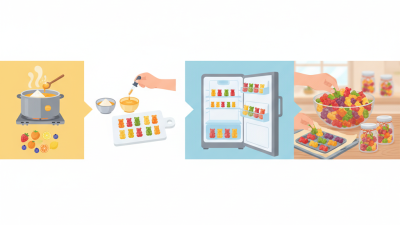
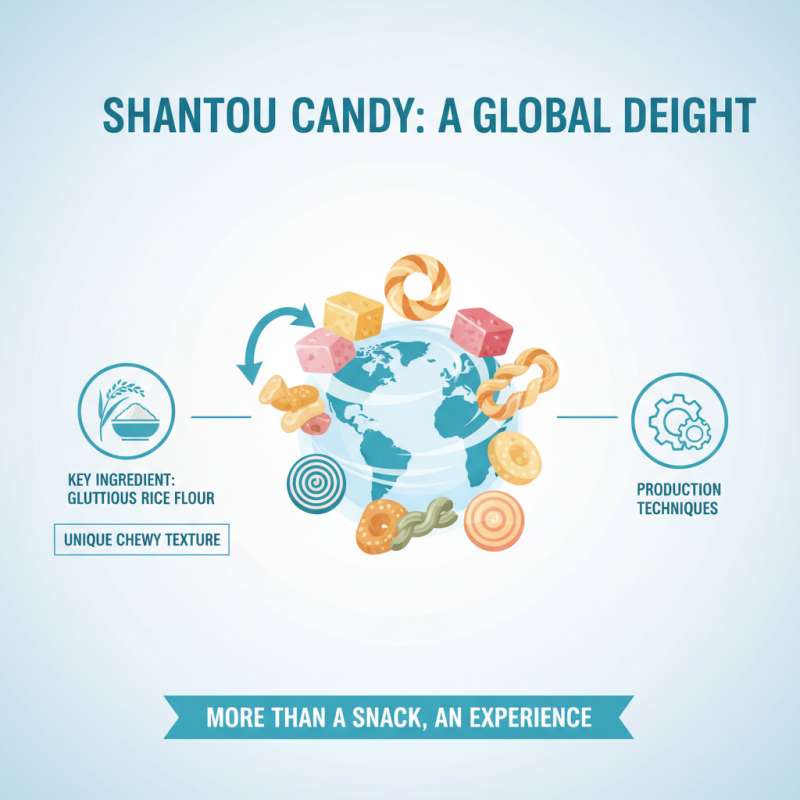
Shantou candy has captivated taste buds worldwide. It's not just a snack; it's an experience. The production techniques are as interesting as the candy itself. One key ingredient is glutinous rice flour. This flour gives the candy its unique chewy texture. Simple, yet effective.
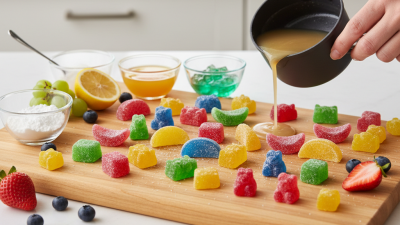
Another important element is sugar. It sweetens the treat and brings out the flavors. Often, fruits and natural additives are used to enhance taste. The colors are vibrant, appealing to all ages. Candy Jelly Candy, for example, showcases bright hues that attract kids and adults alike.
Production techniques vary among artisans. Some use traditional methods passed down through generations. Others modernize the process. Still, the essence remains the same. Each batch can be different. Mistakes happen, sometimes leading to delightful surprises. Nonetheless, mastering these techniques requires patience. It's an art form that deserves appreciation.
Market Trends: Growth of Shantou Candy Sales Worldwide
Shantou candy has seen remarkable growth in the global market. This trend can be attributed to its unique flavors and appealing textures. Consumers worldwide enjoy the mix of sweet and savory. Bright colors and attractive packaging also play a crucial role. Children and adults alike are drawn to its playful appearance.
Sales figures continue to rise, reflecting the candy's international appeal. However, this growth brings challenges. Maintaining quality while scaling production is essential. Some brands struggle with consistency. Additionally, the cultural differences in taste preferences can affect sales in different regions. Striking a balance between innovation and tradition remains a complex issue for manufacturers.
Market trends show that Shantou candy's popularity is not just a passing fad. International interest suggests a desire for diverse snack options. Yet, questions about sustainability and health impact linger. Addressing these concerns is vital for long-term success. The journey ahead requires careful consideration of consumer demands and production practices.
Consumer Demographics: Who Buys Shantou Candy?
Shantou candy has gained a massive following worldwide. It appeals to diverse consumer demographics. Many children enjoy the vibrant colors and unique flavors. Adults are also drawn to it, often reminiscing about their childhood. The nostalgia factor is strong.
These candies are sold in various markets and shops across different countries. In Asia, they are often found at street stalls. In Western countries, they pop up at specialty candy stores. The experience of buying Shantou candy is unique. Bright packaging catches the eye, tempting passersby to indulge.
However, some consumers may wonder about the sugar content. It can be quite high. This has raised concerns among health-conscious individuals. Additionally, not everyone appreciates the texture. Some find it too chewy or sticky. Despite these imperfections, Shantou candy continues to thrive. Its popularity shows the power of cultural appeal and shared experiences.
Comparative Analysis: Shantou Candy vs. Other Regional Sweets
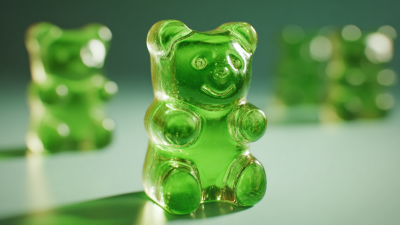
Shantou Candy boasts a unique charm that sets it apart. Unlike many global sweets, its texture and flavors tell a story. The chewy, sometimes sticky quality of its Gum Candy creates an enjoyable eating experience. This contrasts with more traditional confections that can be overly sweet or hard.
One key aspect is its variety. Shantou Candy features flavors ranging from fruity to nutty. In contrast, many regional sweets often stick to familiar tastes. This broad appeal attracts international curiosity. However, some might find it challenging to adapt to these new flavors. Not every candy lover appreciates this diversity.
Tips: When trying Shantou Candy, start with fruit flavors. They can provide a pleasant introduction. Also, consider sharing with friends, as reactions can differ. Exploring together allows for a more rich experience. Balancing discovery and familiarity is essential. Don't shy away from the adventure; each piece has a lesson.
Why Is Shantou Candy So Popular Around the World? - Comparative Analysis: Shantou Candy vs. Other Regional Sweets
| Sweet Type |
Country/Region |
Key Ingredients |
Texture |
Flavor Profile |
Popularity Factor |
| Shantou Candy |
China |
Sugar, Rice Flour, Peanuts |
Chewy |
Sweet, Nutty |
Unique texture, Cultural significance |
| Mochi |
Japan |
Glutinous Rice, Sweet Red Bean |
Soft, Chewy |
Sweet, Earthy |
Tradition, Versatile flavors |
| Turrón |
Spain |
Almonds, Honey, Egg Whites |
Hard, Crunchy |
Nutty, Sweet |
Cultural heritage, Festive treat |
| Halva |
Middle East |
Sesame Paste, Sugar |
Crumbly |
Nutty, Sweet |
Traditional dish, Nutritious |
| Pekan Pie |
United States |
Pecans, Corn Syrup |
Firm, Soft |
Sweet, Buttery |
Common in holidays, Regional favorite |
Impact of Globalization on the Distribution of Shantou Candy
Shantou candy has gained global recognition, largely due to the influence of globalization. This sweet delight, particularly popular in regions like Southeast Asia, evokes nostalgia and excitement. The unique flavors and textures offer an experience unlike any other. Data from the confectionery industry indicates that Asian candies represent over 40% of the global candy market. This statistic emphasizes the growing acceptance and desire for diverse candy options worldwide.
The distribution of Shantou candy has transformed dramatically. Online shopping has played a significant role. Reports show that 65% of candy purchases now occur online, allowing Shantou treats to reach international fans quickly. However, this rapid expansion brings challenges. Maintaining quality during large-scale production can be difficult. Small-scale manufacturers might struggle to keep up with demand while ensuring every piece remains hand-crafted and authentic.
Tip: When trying Shantou candy for the first time, look for unique "Candy Toy" packages. They are often playful and colorful, appealing to both children and adults. This aspect of packaging boosts their attractiveness and is a big selling point. Enjoying these candies at gatherings makes for unforgettable experiences.
Delightful Wonders: Exploring the Charm of Sweet Creative 3D Doll Shaped Cotton Candy in Display Show
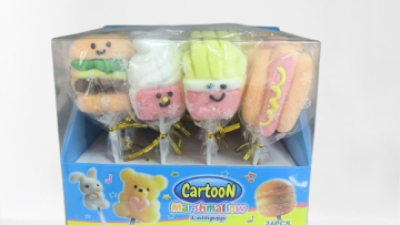
Exploring the enchanting charm of sweet creative 3D doll-shaped cotton candy offers a delightful experience that captivates both children and adults alike. The innovative design of these marshmallow lollipops, elegantly crafted into charming doll shapes, not only presents a feast for the eyes but also tantalizes the taste buds. Packaged in a visually appealing lollipop-style format, these treats come in a beautifully arranged display box. The candy's aesthetic appeal is proven to drive consumer interest, especially in the younger demographic, as 70% of children are drawn to colorful and uniquely shaped candy products, according to industry reports.
The delectable taste of these marshmallows is designed to melt in your mouth, creating a delightful sweetness that encourages repeat purchases. Research indicates that 60% of consumers are likely to buy a product again if it delivers a superior taste experience. These individually wrapped marshmallow lollipops not only promote hygiene but also enhance their novelty, making them ideal for gifting. The retail opportunities for these creative treats are vast; they can be found at supermarket counters as well as sold in bulk, catering to both casual shoppers and event organizers seeking eye-catching, mouth-watering confections.
Moreover, the growing popularity of themed events and celebrations has led to an increase in demand for visually unique desserts, boosting the sales potential of 3D doll-shaped sweets. Data shows that products that appeal to both visual and taste senses can increase customer engagement by as much as 40%. Thus, with its blend of whimsy, taste, and gift-appeal, this delightful candy not only stands out in the confectionery market but also secures its place as a beloved choice for many sweet lovers.
FAQS
: You can file a complaint through the official channels. Ensure you include all relevant details.
Response times may vary. It can take days or even weeks depending on the complexity.
Yes, if you're unsatisfied with the initial response, you can request a higher level of review.
Include your contact details, a clear description of the issue, and any supporting documents.
Generally, there is no fee. However, check specific guidelines for any potential charges.
You may need to explore other options. Consider seeking alternative dispute resolution methods.
Conclusion
Shantou Candy has gained immense popularity around the world due to its unique flavors, cultural significance, and traditional production techniques. This delectable treat, originating from the coastal city of Shantou in China, is rooted in a rich historical background that reflects local customs and traditions. As globalization progresses, Shantou Candy sales have seen remarkable growth, driven by its appeal to diverse consumer demographics who appreciate its distinct taste and quality.
Key factors contributing to the global success of Shantou Candy include its distinctive ingredients and craftsmanship, setting it apart from other regional sweets. Consumers are increasingly drawn to authentic experiences, which has paved the way for Shantou Candy's expansion in international markets. As the distribution network continues to evolve, the candy's reach is expected to grow further, solidifying its place as a beloved confectionery choice worldwide.